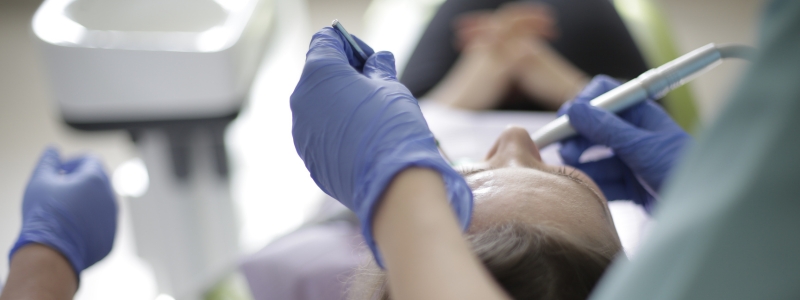
Periodontitis is a gum infection commonly resulting from poor oral hygiene. It damages the soft tissue and bone around the teeth. Plaque builds up on teeth, hardening into tartar and causing inflammation and infection.
What are the symptoms of periodontitis?
Some of the most common symptoms of periodontitis include:
- Swollen gums
- Change in color of gums (bright or dark red, dark purple)
- Hypersensitive gums (tender)
- Bleeding gums
- Bad breath
- Loose teeth
- Loss of teeth
- Pain when eating/chewing
- Receding gums
- Change in bite alignment
Be sure to contact your dentist if you are experiencing any of these symptoms.
What causes periodontitis?
Plaque buildup is the common cause of gum infection. When bacteria combine with starches and sugars from your food with proper oral hygiene, the plaque hardens into tartar, which causes inflammation, infection, and gum disease.
How is it diagnosed?
Periodontitis is diagnosed through a dental examination for symptoms, measuring pockets between teeth and gums, and X-rays for any possible bone loss.
What are treatment options?
Typical treatments include:
- Dental cleanings
- Deep cleaning (scaling and root planing)
- Antibiotics for bacterial infection
- Surgical procedures (flap surgery, bone graft, soft tissue graft)
How can periodontitis be prevented?
Besides maintaining regular dental hygiene by brushing twice daily and flossing, consider the following tips for prevention:
- Regular dental checkups and cleanings
- Quit smoking
- Healthy diet
- Managing other underlying conditions, such as diabetes
What is the difference between gingivitis and periodontitis?
Both gingivitis and periodontitis are degrees of gum disease, gingivitis being the earliest stage (red, swollen, bleeding gums) and periodontitis being the more advanced, involving bone loss and tissue damage.
How does smoking affect periodontitis?
Since smoking weakens your immune system and promotes the buildup of plaque and tartar, it increases your risk of developing periodontitis and other oral issues.
Can periodontitis lead to tooth loss?
Yes, it can cause tooth loss if the infection destroys enough bone and tissue supporting your teeth.
Can periodontitis be reversed?
Although the condition itself can be reversed, the bone and tissue damage cannot be undone. However, managing and treating it will prevent further degradation of your bone and tissue.
Periodontitis Treatment at AZ Family Dental
From preventative care to emergency dental procedures and cosmetics, we offer the best the industry has to offer in oral hygiene, diagnostics, and treatments.
Our full spectrum of dental services include:
- General Care
- Preventative Care
- Cosmetic Services
- Removals
- Periodontal Care
- Orthodontics
- Tooth Replacement
- Prosthodontist Care
Schedule an appointment for you and your family today to get started!