
Here’s the hard truth: your teeth won’t take care of themselves.
If you don’t maintain proper oral hygiene, regularly brushing and flossing your teeth morning and evening, your teeth will build up plaque and eventually start decaying.
Tooth decay can result in unpleasant conditions, such as cavities, abscess formation, and even tooth loss!
Thankfully, your teeth won’t start falling out overnight, but it’s important to be proactive about healthy dental routines and be aware of the consequences of poor dental hygiene.
- How do you know what stage of tooth decay you have?
- What stage of tooth decay is painful?
- How do you know if tooth decay is severe?
- At what stage is tooth decay irreversible?
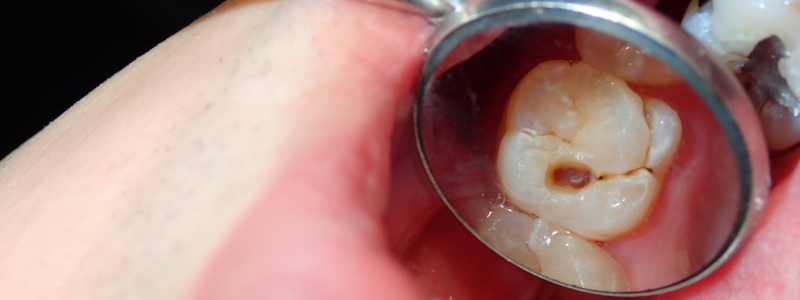
- What does a badly decayed tooth look like?
- What do dentists do for severe tooth decay?
How do you know what stage of tooth decay you have?
You should be aware of the five stages of tooth decay, especially if you are concerned about the current condition of your teeth as you prepare to visit your dentist for a cleaning or checkup.
Stage One: Demineralization
Demineralization is the weakening of the outer layer of your teeth, also known as the enamel, due to plaque buildup. In fact, enamel is the toughest part of your body but can be weakened by acidity from plaque buildup. Demineralization will appear as white spots in your teeth and can be reversed with proper hygiene and professional cleaning.
Stage Two: Enamel Decay
This is when cavities start to form, and the white spots start to turn brown because of enamel loss. Treatments include fillings; the dentist will remove the spots and fill them with alternative materials such as resin, ceramic, or others.
Stage Three: Dentin Decay
Dentin is beneath your enamel, which is weaker and more sensitive to acidity from plaque buildup. Cavities will start to penetrate your dentin if not taken care of and filled in time, resulting in hypersensitivity to hot and cold temperatures in your food or drinks, sugars, and even eating in general. Your dentist may have to give you a crown if a substantial amount of your tooth has to be removed for effective treatment at this stage.
Stage Four: Pulp Damage
The pulp is the part of your tooth beneath the dentin containing blood vessels and nerves, which will cause pressure and pain due to swelling if decay reaches that deeply in your tooth. A root canal may be necessary at this stage to treat this level of decay and its accompanying symptoms.
Stage Five: Abscess
The greatest degree of decay occurs when bacteria reach down into the pulp of your tooth. This bacteria can eventually spread across your mouth and cause not only much pain and discomfort but also the spread of bacteria, which may result in further complications. If a root canal is insufficient to treat the problem, your teeth may need removal and antibiotics to kill the bacteria.
What stage of tooth decay is painful?
Plaque that builds up in your mouth produces acid that breaks down the protective layers of your tooth (enamel and dentin), which can then start causing pain and discomfort as acid and bacteria make their way closer to the pulp of your teeth.
How do you know if tooth decay is severe?
The more apparent the decay, the more severe it is. Discoloration, hypersensitivity, pain, and pressure are indicators that your tooth decay is progressing. Without treatment, bacteria will begin to cause pain, even throughout your gums, jaw, and face.

At what stage is tooth decay irreversible?
Once your decay reaches the level of the pulp of your teeth, it’s less likely to be reversible. If a root canal cannot treat your level of decay, then tooth extraction (removal) will be the only option left.
What does a badly decayed tooth look like?
The most common signs of tooth decay include:
- Discoloration (brown, black, dark yellow)
- Cavities
- Structural Damage (chips, cracks, etc.)
- Plaque
- Swelling or Redness of Your Gums
- Pain and Sensitivity (to hot, cold, sugars, etc.)
What do dentists do for severe tooth decay?
Depending on the degree of damage and potential for bacterial infection, a root canal may need to be performed in order to treat your degree of decay. If a root canal is unsuccessful, then full removal of your tooth may be necessary.
Prevent and Treat Tooth Decay with AZ Family Dental
From preventative care to emergency dental procedures and cosmetics, we offer the best the industry has to offer in oral hygiene, diagnostics, and treatments.
Our full spectrum of dental services include:
- General Care
- Preventative Care
- Cosmetic Services
- Removals
- Periodontal Care
- Orthodontics
- Tooth Replacement
- Prosthodontist Care
Schedule an appointment for you and your family today to get started!