
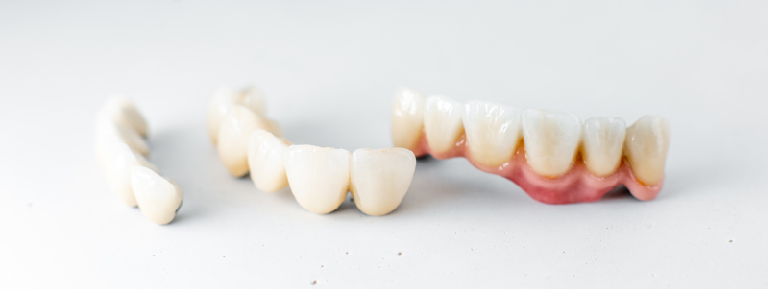
When you lose your teeth, knowing an implant-supported bridge is a highly effective solution is good. Implant-supported bridges offer a durable, long-lasting alternative to traditional fixed bridges. This helps you maintain both the function and appearance of your great smile. Even so, proper care will ensure your bridge lasts and avoids complications like gum recession or bone loss. This article details how to care for your implant-supported bridge and maintain optimal oral health.
- How do I care for my implant-supported bridge?
- What is the best way to clean an implant-supported bridge?
- How often should I brush and floss with an implant-supported bridge?
- What types of food should I avoid with an implant-supported bridge?
- How can I prevent plaque buildup on my implant-supported bridge?
- What are the signs of implant failure or complications?
- How long does an implant-supported bridge typically last?
- How can I ensure the longevity of my implant-supported bridge?
How do I care for my implant-supported bridge?
To care for your implant-supported bridge, you must practice daily oral hygiene and maintain regular dental visits. Though artificial teeth do not need care, the surrounding teeth and gums still require care since they cannot develop tooth decay. Proper cleaning will prevent plaque buildup that could lead to inflammation or gum recession.
Here are some basic care tips:
- Brushing twice a day with a soft-bristled toothbrush
- Flossing around the bridge using a floss threader or interdental brush
- Scheduling regular check appointments to have your bridge inspected and professionally cleaned
What is the best way to clean an implant-supported bridge?
The best way to clean an implanted-supported bridge is to clean them as you would natural teeth, though with a few extra steps. Make sure to use a soft-bristled toothbrush to brush the surfaces of the bridge. Pay particular attention to where the bridge meets the gums. A floss threader or interdental brush could be useful to clean underneath the bridge, as food particles and plaque can easily accumulate in this area.
How often should I brush and floss with an implant-supported bridge?
Brushing and flossing must be prioritized to ensure the longevity of your dental restoration. Brush your teeth and gums at least twice a day, ideally after meals, using a soft-bristled toothbrush. Floss once daily, using a floss threader to access hard-to-reach areas under the bridge.
Routine cleaning will help remove plaque and prevent gum recession. This could affect the stability of the implants over time. When keeping your recommended two visits a year, have your bridge professionally clean.
What types of food should I avoid with an implant-supported bridge?
Despite the durability of an implant-supported bridge, certain foods can still cause damage or lead to complications. To avoid wear and tear, it is advisable to limit or avoid the following foods:
- Hard foods like nuts, ice, and hard candies
- Sticky foods like caramel or chewing gum
- Extremely tough meats that require hard and excessive chewing
- Sugary snacks that promote plaque buildup
This should be especially done right after the bridge is installed, ensuring a smoother healing process.
How can I prevent plaque buildup on my implant-supported bridge?
Plaque buildup can be a major issue for anyone because it can lead to infections, bone loss, and other complications that affect the longevity of the implants. To prevent build-up on your implant-supported bridge:
- Brush at least twice a day with a soft-bristled toothbrush
- Use a floss threader or interdental brush to clean under the bridge
- Rinse with an antimicrobial mouthwash
- Schedule a regular dental check for professional cleanings
To reduce the risk of infection and gum recession, maintain these habits!
What are the signs of implant failure or complications?
Though complications are always possible, early detection of them can always prevent further damage. Signs of implant failure may include:
- Persistent pain or discomfort around the implant
- Red, swollen, or bleeding gums
- Mobility of the implant or bridge
- Difficulty chewing or biting
- Signs of gum recession or exposure of the implant
How long does an implant-supported bridge typically last?
With proper care, an implant-supported bridge can last for many years, even a lifetime. This is why it is crucial to prioritize oral hygiene and diet to prolong its lifespan. The quality of the initial implant placement and how well the surrounding gums and bone heal during the healing process are also important contributors.
How can I ensure the longevity of my implant-supported bridge?
Follow these best practices to ensure the longest life of your implant possible:
- Brush and floss regularly, as outlined above
- Avoid foods that can cause complications
- Maintain routine dental visits, cleanings, and check-ups
- Monitor for any changes in how the bridge feels or functions
- Address any early signs of gum or implant issues with your dentist
Get the Best in Dental Care with AZ Family Dental
From preventative care to emergency dental procedures and cosmetics, we offer the best the industry has to offer in oral hygiene, diagnostics, and treatments.
Our full spectrum of dental services include:
- General Care
- Preventative Care
- Cosmetic Services
- Removals
- Periodontal Care
- Orthodontics
- Tooth Replacement
- Prosthodontist Care
Schedule an appointment for you and your family today to get started!