
Your health is important to you. Beyond aesthetics, you want to keep yourself healthy by preventing bacteria and toxins from invading your body and causing disease like gingivitis. Because your mouth is a magnet for bacteria, a lack of oral hygiene and preventive care can lead to gum disease, also known as gingivitis or periodontal disease.
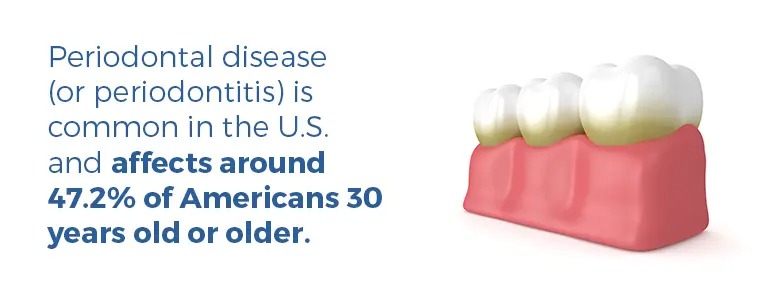
Periodontal disease (or periodontitis) is common in the U.S. and affects around 47.2 percent of Americans 30 years old or older, according to the American Dental Association (ADA). It’s also a significant reason why adults lose their teeth.
By educating yourself about gum disease and its symptoms, you’ll know if or when you’re developing a problem that requires gum disease treatment. Once you’re knowledgeable about gum disease, you’ll also know how to prevent gingivitis in the first place or catch it early enough to reverse it.
What Is Gingivitis/Periodontal Disease?
The longer you allow tartar and plaque to sit on your teeth, the more trouble they can cause for your teeth and gums. The bacteria can lead to gum inflammation and a dental condition known as gingivitis. When your gingiva becomes inflamed, you experience sore, bleeding, or swollen gums.
Gingivitis is a mild stage of gum disease that can be reversed by brushing and flossing your teeth more thoroughly and having a professional cleaning performed by a dental hygienist. With gingivitis, you don’t have any loss of tissue or bone responsible for holding your teeth in place.
If left untreated, however, gingivitis can advance to a more severe stage: periodontal disease or, even worse, periodontitis.
With periodontal disease, your gums swell, and the inflammation may become so severe that it causes you to lose the tooth-holding tissue, potentially resulting in the loss of one or more of your teeth.
The sticky film of bacteria and plaque on your teeth causes inflammation. Brushing your teeth two times a day (morning and night) and cleaning between your teeth with floss removes this plaque. If you don’t remove this plaque, your gums may separate from your teeth and form pockets that collect bacteria.
The following factors may increase your risk of developing gum disease and start this vicious cycle:
- Genetics
- Poor dental care
- Pregnancy
- Chewing or smoking tobacco
- Diabetes
- Crooked, hard-to-clean teeth
- Medications like cancer therapy drugs, steroids, and oral contraceptives
Although the sound of this may scare you, gingivitis is still in the reversible stage of gum disease. At this point, it may just take a simple trip to the dentist to have your teeth professionally cleaned. If you follow up with and commit to proper oral hygiene, you’ll probably be fine.
Your Gums
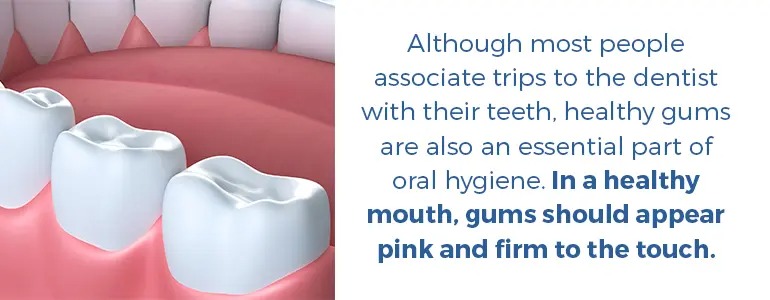
Although most people associate trips to the dentist with their teeth, healthy gums are also an essential part of oral hygiene. In a healthy mouth, gums should appear pink and firm to the touch.
Puffiness and redness indicate the early signs of gingivitis, as does bleeding during brushing and flossing. If you are asking yourself, “Why are my gums inflamed?” then it’s likely you have gum disease. Keep in mind that these symptoms do not usually cause pain — if you observe bleeding following brushing and flossing, gingivitis is most likely the culprit.
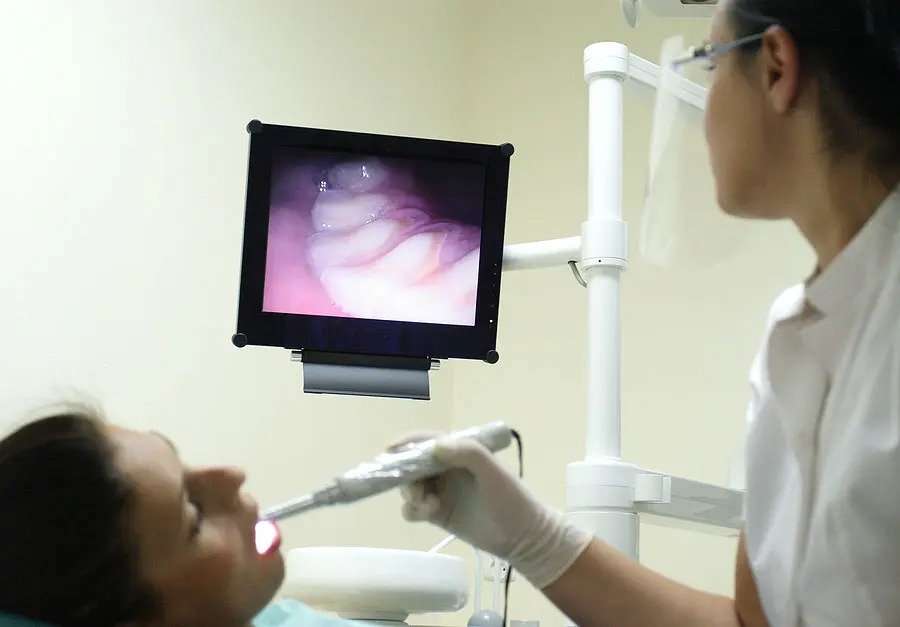
Other ways to tell if you have gingivitis include receding gums and bad breath. If you notice any of these symptoms, it’s time for an oral cleaning and checkup.
Inflamed Gums
Swollen gums are common and can occur for several reasons, including the ones listed below. If the swelling lasts more than several days, you should contact your dentist.
The dentist will rule out other causes of inflamed gums, such as:
- You recently switched oral care brands: Changing your toothpaste, toothbrush, or mouthwash brand may lead to a reaction to any one of the ingredients your mouth isn’t used to.
- You recently began taking medications: If you’ve just begun taking a new medication, the drug could be causing your swollen gums. If your inflamed gums are a side effect of the medication you’re on, the doctor may be able to prescribe you an alternative.
- You have poor nutrition: If you’re deficient in Vitamin C, it can lead to swollen gums. Therefore, if you’ve been skipping your fruits and vegetables, you may be able to blame your diet.
Of course, if you’ve been brushing and flossing as you should, the dentist will examine your mouth for the possibility of gingivitis.
Bleeding Gums
You should also be concerned about bleeding gums, even if you have regular cleanings. Bleeding gums are usually a sign of gingivitis or periodontal disease.
When thinking about their dental health, most people focus on their teeth and preventing cavities. However, your gums are just as important and play a significant role in your oral health. Not only that, but your overall health, too. In many cases, bleeding, swollen, or sore gums are a sign of gum disease.
Ask yourself some questions to check how healthy your gums are:
- Do your gums appear swollen?
- Do you have bleeding gums after you brush your teeth, floss, or use another cleaning tool?
- Do your teeth look “longer” due to receding gums?
- Do you notice any loose teeth?
- Do your teeth have any gaps between them, or have they changed position?
- Do you have pus at your gum line after massaging your gums?
- Do you have a family history of premature tooth loosening?
If you answered “yes” to any of these questions, contact your dentist for a periodontal evaluation. Even if your teeth are brilliant white and cavity-free, it doesn’t mean you can’t get gum disease. Many people don’t realize they have it because it typically doesn’t cause pain.
Other Indications of Gingivitis
Other things indicate gingivitis, too, such as bad breath and receding gums. If you experience either of these, you should set up an appointment with the dentist for a checkup, oral cleaning, and other preventive care.
The Causes of Gingivitis

Plaque leads to gingivitis in a number of ways:
- It forms and builds up on your teeth: Plaque is a sticky, invisible film made up mostly of bacteria. It develops and builds up on your teeth when sugars and starches feed these oral bacteria. You need to remove this plaque daily, since it keeps on forming quickly.
- It turns into tartar: When plaque is allowed to stay on your teeth, it begins hardening into tartar under your gum line and then collects bacteria. Plaque is harder to remove once it’s turned to tartar, since it creates a type of protective barrier for bacteria and causes gumline irritation. To eliminate this tartar, you will need your teeth professionally cleaned.
- You develop inflammation: As tartar and plaque sit on your teeth, they begin irritating the gum area around the foundation of your teeth (gingiva) and cause inflammation. Your gums eventually become inflamed and bleed. You may also get tooth decay. If left untreated, gingivitis advances to periodontal disease, periodontitis, and, ultimately, tooth loss.
Several factors can play a role in the development of gum disease.
These include:
Poor oral hygiene
A primary cause of gingivitis is poor oral hygiene. In fact, it’s the leading cause of periodontal disease, since it allows plaque formation on your teeth and causes inflammation of your gum tissues. After a person eats, a thin layer of plaque and bacteria forms in the mouth. Improper brushing and flossing are the most common causes of gingivitis, which can result in serious consequences, such as tooth loss, if left untreated.
Although brushing removes most of the plaque, tiny bits of bacteria left in between and on the teeth harden into tartar. This is why flossing daily is essential. Tartar protects the bacteria from brushing and flossing, and the bacteria can irritate the gums and cause gingivitis. Unfortunately, at-home brushing and flossing cannot remove the plaque and bacteria once they have hardened into tartar.
Changes in Hormones
These changes may happen during pregnancy, puberty, a menstrual cycle or menopause. You may have more sensitive gingiva, increasing your risk of inflammation.
Certain Diseases
Diseases like diabetes, cancer, or HIV may make you more susceptible to gingivitis.
Medications
Certain oral medications can affect oral health. Some medications reduce saliva flow, while others may cause abnormal gum tissue growth.
Smoking
Smoking regularly can contribute to gingivitis.
Age
Your risk of gingivitis goes up as you get older.
Genetics
If you have family members who have or had gingivitis, you may have a higher chance of getting it, too. It’s believed that there’s a certain type of bacteria you acquire during your early life.
Gingivitis Consequences and Treatment
Gingivitis is contagious because it is a type of gum bacterial infection. You can spread it through saliva exchange, sharing cups or silverware, or kissing.
Gingivitis is a direct cause of tooth decay problems, potentially leading to the need for dental surgery, such as a root canal. Because the dentist can remove hardened tartar during a regular cleaning, you can simply protect yourself from more serious periodontal disease by scheduling cleanings at six-month intervals.
Sadly, the consequences of gingivitis don’t end with just a simple cavity. Periodontitis spreads to the tissue and bone under the visible layer of your teeth, causing tooth loss. Periodontitis may also lead to premature birth weight, heart attack, and more.
In fact, it’s linked to systemic diseases like:
- Diabetes
- Respiratory disease
- Rheumatoid arthritis
- Coronary artery disease
- Stroke
Research suggests that periodontitis bacteria may even extend through gum tissue, travel into the bloodstream, and affect the lungs, heart, and other organs. However, to confirm this link, researchers need to collect more evidence.
Necrotizing ulcerative gingivitis (NUG), also called trench mouth, is a severe type of gingivitis that causes infected, painful, and bleeding ulcerations and gums. Trench mouth is not common today in the U.S., but it does still linger in developing countries due to poor living conditions and nutrition.
Professional Gingivitis Treatment
Quickly acting can reverse gingivitis symptoms and keep it from progressing to more severe periodontal disease and tooth loss. You can adopt a daily ritual of proper dental care and quit using tobacco products, too.
Professional gingivitis care includes:
- Professional dental cleaning: During your initial professional cleaning, the dentist will remove all the tartar, plaque, and bacteria using a scaling and root planing procedure. Scaling gets rid of the bacteria and tartar from the surfaces of your teeth and beneath the gums. Root planing eliminates inflammation-producing bacteria, smoothens the surfaces of your roots, keeps tartar and bacteria from building up again, and helps heal.
- Dental restoration: If your teeth are misaligned or you have poorly fitted bridges, crowns, or other restorations, they may aggravate your gums and make it more difficult to remove plaque during your regular dental care routine. The dentist can fix these problems if they’re contributing to your gingivitis.
- Ongoing care: Gingivitis will typically clear up after a professional cleaning, but you need to maintain good dental hygiene at home to stay healthy.
By staying consistent with your dental hygiene, your gums should return to being healthy and pink within a couple of weeks.
Take Appropriate Action
Once you detect gum tissue inflammation or gingivitis, it’s essential that you begin treatment immediately to prevent the infection from becoming severe and spreading.
You may reverse the beginning stages of gingivitis by learning how to treat gingivitis at home and implementing the following action steps:
Use antibacterial toothpaste and mouthwash: Antibacterial toothpaste helps fight plaque even after you’ve finished your dental hygiene routine. Antibacterial mouthwash gets bacteria and plaque out of those hard-to-reach places.
Brush your teeth properly: Brush your teeth for at least two minutes each session. You may want to use an electric toothbrush to ensure you’re cleaning your teeth thoroughly.
Try Home Remedies: A few home remedies you can try include…
- Salt: Salt has unique antiseptic and antibacterial properties, making it a great substance to use for treating gingivitis and reducing inflammation. You can mix the salt with water (lukewarm) to make a type of saline solution for rinsing your mouth out twice daily. You can also mix it with mustard oil to relieve swollen gums with a gentle massage.
- Baking Soda and Salt: To make this solution, mix a half-teaspoon of salt with a spoonful of baking soda. Run warm water over your toothbrush to moisten it, then dip the toothbrush into the baking soda and salt mixture. Then, rub your teeth and gums with the brush for five minutes.
- Hydrogen Peroxide Solution: You may also want to try a cup of warm water with a half-cup of hydrogen peroxide and swish your mouth out. Just be sure to spit it out and not swallow the solution.
Eat a healthy diet: What and when you eat is a huge part of keeping your gums and teeth healthy. If you eat foods high in simple carbohydrates and sugar, it may increase your risk of gum and tooth issues. Sugar creates an environment ideal for the formation of plaque.
Be sure you’re eating a diet rich in essential nutrients, like vegetables, and that’s low in sugar. This isn’t to say you have to cut sweet foods out of your diet completely. You just need to eat them moderately. If you do eat a food high in sugar, be sure to brush afterwards to ensure it doesn’t stick to your teeth.
Be mindful of the products you use: Numerous products, such as mouthwashes containing alcohol or chlorhexidine or toothpaste with hydrogen peroxide, are available to prevent bacterial infections. Hydrogen peroxide is also effective in getting rid of gingivitis at the first sign of it.
Practice preventive care: Be proactive about preventive oral care. Brush your teeth two times daily (morning and night). The ADA recommends using a soft-bristled or extra-soft bristled toothbrush. You also need to floss your teeth daily.
Always be a step ahead of gingivitis by practicing good dental health, brushing and flossing daily, and setting preventive care appointments.
Book Your Preventative Dental Care Appointment
At your appointment, review your brushing and flossing habits with the dentist. Ask for recommendations on toothpaste, brush types, and mouthwashes. Schedule regular cleanings at six-month intervals to remove hardened tartar. Don’t forget that certain activities — such as quitting smoking and eating a diet packed with healthy nutrients — will benefit your health in more ways than one.
Remember: you may already have gingivitis and not even know it, since it may be painless. Because of this, it’s imperative you schedule those dental checkups so the dentist can monitor it.
Preventive care is best in all situations. Book your preventative dental care appointment at AZ Family Dental today.