
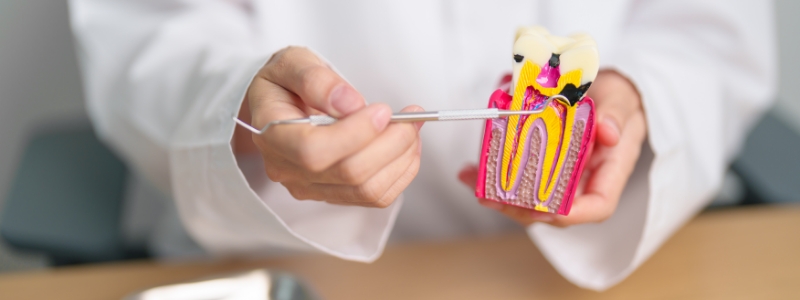
Root surface decay is a common dental issue, especially for individuals with receding gums or periodontal diseases. This condition occurs when decay affects the exposed tooth roots, leading to sensitivity, discomfort, and, potentially, tooth loss. Left untreated, it can cause serious complications that compromise the integrity of your natural teeth.
What causes root surface decay?
This condition develops when bacteria in plaque produce acid that erodes the exposed tooth roots.
Common contributing factors include:
- Gum recession: Often caused by aging, brushing too hard, or untreated gum disease.
- Dry mouth: Reduced saliva flow limits the ability to neutralize acids and protect teeth.
- Poor oral hygiene: Plaque and tartar buildup increases the risk of decay.
- Dietary habits: Consuming sugary or acidic foods and drinks accelerates decay.
These factors highlight the importance of regular oral care and dental hygiene to protect tooth roots and prevent decay.
What are the symptoms of root surface decay?
In its early stages, it may go unnoticed, but as it progresses, you may experience:
- Tooth sensitivity: Heightened reaction to hot, cold, or sweet foods.
- Discoloration: Brown or black spots near the gum line.
- Pain or discomfort: Especially when chewing.
- Gum recession: Noticeable exposure of the tooth roots.
Seeking professional dental care at the first sign of these symptoms can prevent further damage.
How is root surface decay diagnosed?
A dentist can diagnose it through:
- Dental exams: Checking for visible decay, gum recession, and other signs of damage.
- X-rays: Identifying the extent of decay below the gum line.
- Patient history: Reviewing factors such as dry mouth, gum disease, or dietary habits.
- Regular dental checkups are vital to catch root surface decay early.
What treatment options are available for root surface decay?
Treatment for it depends on its severity.
Common options include:
- Fluoride treatments: Strengthen tooth roots and slow decay progression.
- Fillings: Restore damaged areas with composite materials.
- Periodontal therapy: Address gum recession or disease to protect roots.
- Hygiene recommendations: Tailored advice to prevent further decay.
In advanced cases, crowns or root canal treatments may be necessary to save the affected tooth.
Can root surface decay be prevented?
Yes, it is largely preventable with proper oral care, including:
- Brushing twice daily with fluoride toothpaste
- Flossing regularly to remove plaque between teeth
- Using fluoride mouthwash or professional varnishes
- Maintaining regular dental checkups to address issues early
Preventive care is the best way to avoid extensive treatments and protect your natural teeth.
Why is it more common in older adults?
Older adults are at greater risk due to:
- Receding gums: Age-related changes often expose tooth roots.
- Dry mouth: Commonly caused by medications or age-related reductions in saliva flow.
- History of periodontal disease: Past dental conditions may increase susceptibility.
Regular dental visits and preventive care are especially important for this age group.
How does dry mouth contribute to root surface decay?
Saliva plays a critical role in protecting teeth by neutralizing acids and washing away bacteria. When saliva production decreases due to dry mouth, the risk of root surface decay rises significantly. Managing dry mouth with hydration, saliva substitutes, or dentist-recommended products can help reduce the likelihood of decay.
Are there specific dental products recommended for preventing root surface decay?
Certain dental products are particularly effective in preventing it:
- Fluoride toothpaste to strengthen enamel and roots.
- Fluoride varnish: Professionally applied to remineralize weakened areas.
- Antibacterial mouthwashes to reduce plaque and bacteria.
- Soft-bristled toothbrushes: Gentle on gums while cleaning thoroughly.
Your dentist can recommend products that suit your specific needs.
What complications can arise if root surface decay is left untreated?
Untreated root surface decay can lead to:
- Increased sensitivity and discomfort
- Painful infections requiring root canals or extractions
- Loss of natural teeth
- Worsening gum disease and compromised dental health
Early intervention is key to preventing these complications and preserving your oral health.
How does root surface decay differ from other types of tooth decay?
Root surface decay specifically affects the tooth roots, unlike other decay types that typically involve the enamel or crown of the tooth. Since roots lack the protective enamel layer, they are more vulnerable to damage, requiring targeted care and treatments.
Comprehensive Dental Care with AZ Family Dental
At AZ Family Dental, we understand that conditions like root surface decay can impact oral and systemic wellness. Even in maintaining regular dental care, our personalized treatment plans are designed to improve your quality of life.
Contact us today to learn more!