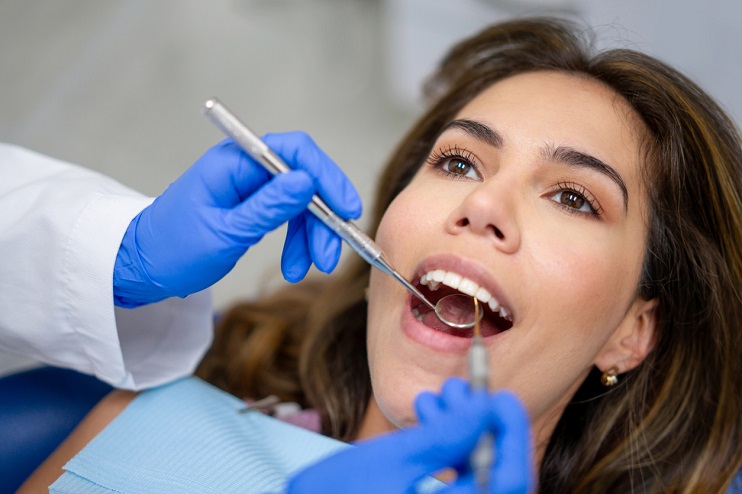
Periodontitis, also known as gum disease, is a common problem.
Most cases only involve tenderness and soft gums, but without proper periodontal care, periodontitis can lead to loss of tissue and bone around the teeth and, ultimately, loss of the teeth themselves.
What are the Symptoms of Gum Disease?
Periodontitis can be caused by a number of factors, including poor oral hygiene, smoking and conditions that compromise the immune system, such as diabetes.
Whatever the cause, the following symptoms indicate a need for additional periodontal care:
- Swelling gums
- Bleeding or pain after brushing or flossing
- Receding gums
- Persistent bad breath
- Loose teeth
If you are suffering any of these symptoms, consult with one of our dentists right away to prevent further damage to your teeth and gums.
Educational Video:
The Stages of Gum Disease
Gum disease progresses in stages, each requiring specific care:
- Gingivitis: The earliest stage, characterized by red, swollen gums that may bleed during brushing. It’s reversible with proper oral hygiene and professional cleanings.
- Mild to Moderate Periodontitis: Plaque hardens into tartar, causing gum recession and potential bone loss. Scaling and root planing can manage this stage.
- Advanced Periodontitis: Severe bone and tissue loss lead to loose teeth or tooth loss. Advanced treatments like flap surgery or grafting may be needed.
Risk Factors for Periodontitis
Certain factors increase your likelihood of developing periodontitis:
- Poor Oral Hygiene: Inadequate brushing or flossing allows plaque to build up.
- Smoking or Tobacco Use: These habits impair gum healing and increase infection risk.
- Chronic Conditions: Diabetes, autoimmune disorders, or hormonal changes can weaken gum health.
- Medications: Some drugs cause dry mouth, reducing saliva’s protective effects.
- Genetics: A family history of gum disease may elevate your risk.
Preventive Tips to Avoid Gum Disease
Preventing periodontitis starts with daily habits:
- Brush Twice Daily: Use a soft-bristle toothbrush and fluoride toothpaste to remove plaque.
- Floss Daily: Clean between teeth to prevent plaque buildup under the gumline.
- Use Antiseptic Mouthwash: Reduce bacteria with a dentist-recommended rinse.
- Quit Smoking: Tobacco cessation improves gum healing and reduces disease risk.
- Eat a Balanced Diet: Limit sugary foods and include calcium-rich options like leafy greens.
What You Can Expect At Your Visit
During the first visit, one of our dentists performs an exam and takes X-rays to assess the severity of gum disease and determine the right course of periodontal care. For mild cases, the treatment generally involves scaling teeth to remove plaque, followed by a discussion about proper dental care and oral hygiene. We may also schedule a follow-up to ensure the treatments were successful.
If the disease is more advanced, or if the initial treatment wasn’t successful, our dentists move to more aggressive techniques, including open flap debridement to scrape under the gum line or grafting to replace worn-away bone. Following these treatments, follow-up visits are scheduled to manage the disease and prevent further damage.
Regular dental checkups, good oral hygiene, and healthy eating habits can prevent gum disease or slow the progression. When periodontal care is needed, AZ Family Dental is there to treat patients in the greater Phoenix area who require additional assistance in the fight against gum disease.
Frequently Asked Questions for Periodontal Care
Our periodontal care focuses on treating gum disease. When caring for your gums, you can expect local anesthesia, the scaling of plaque, root planing (smoothing down your roots), and antibiotic treatment. This deep cleaning can remove bacteria that lead to gum disease and work as a preventative.
A periodontist will treat gum recession, missing/loose teeth, and bone loss. Your doctor can perform gum graft surgery for recession, dental implants for missing teeth, and bone grafts for bone loss. Each of these treatments focuses on mending the damage to the gums and jawbone, which support the teeth.
The best routine to prevent and treat periodontal disease is to attend routine cleanings, brush and floss daily, use mouthwash, stay hydrated, and replace your toothbrush every few months to avoid the spread of bacteria.
Periodontitis can’t be cured, but it is manageable with treatment. Proper care and attentive oral hygiene can reduce the risk of infection, decrease the prevalence of bacteria, and have the possibility of rebuilding surrounding tissues.
Periodontitis isn’t life-threatening, but it is important to treat it attentively. You can maintain a healthy life by preventing its progression and reducing oral bacteria. Oral health is connected to overall wellness across the entire body, so if not treated properly, it can lead to serious health problems later on.
Dentists recommend cleanings every 6 months, or more frequently for periodontitis management.
With local anesthesia and advanced techniques, treatments at AZ Family Dental are designed for minimal discomfort.
Yes, but consistent oral hygiene and regular checkups can prevent recurrence.
Related Services:


Our Dental Office Locations
Same and Next Day New Patient Appointments Available!
Glendale
8519 N 59th Ave, Glendale, AZ 85302, United States
Cave Creek
28255 N Tatum Blvd Suite 4, Cave Creek, AZ 85331, United States
Phoenix
1820 W Thunderbird Rd suite 1, Phoenix, AZ 85023, United States